Punta Gorda, Florida, is known for its stunning coastal views, warm weather, and abundant wildlife. Whether you’re nestled along the waterfront or living further inland, landscaping is an important consideration for any homeowner. With the potential for hurricanes and flooding in this part of the Gulf Coast, it’s essential to choose plants that are not only beautiful but also resilient and able to withstand the harsh conditions that storms and rising waters can bring.
One of the best ways to prepare your landscape is by incorporating native plants into your design. Native plants are naturally suited to the region’s climate, soil, and water conditions, meaning they are more likely to thrive in coastal areas prone to saltwater exposure, heavy rainfall, and high winds. Moreover, properly selected plants can help manage stormwater runoff, reduce soil erosion, and even offer natural barriers against flooding—helping to protect your home in the event of a storm.
In this blog post, we’ll explore some of the best native plants for coastal homes in Punta Gorda, with a focus on how each can help protect your property during hurricanes and floods.
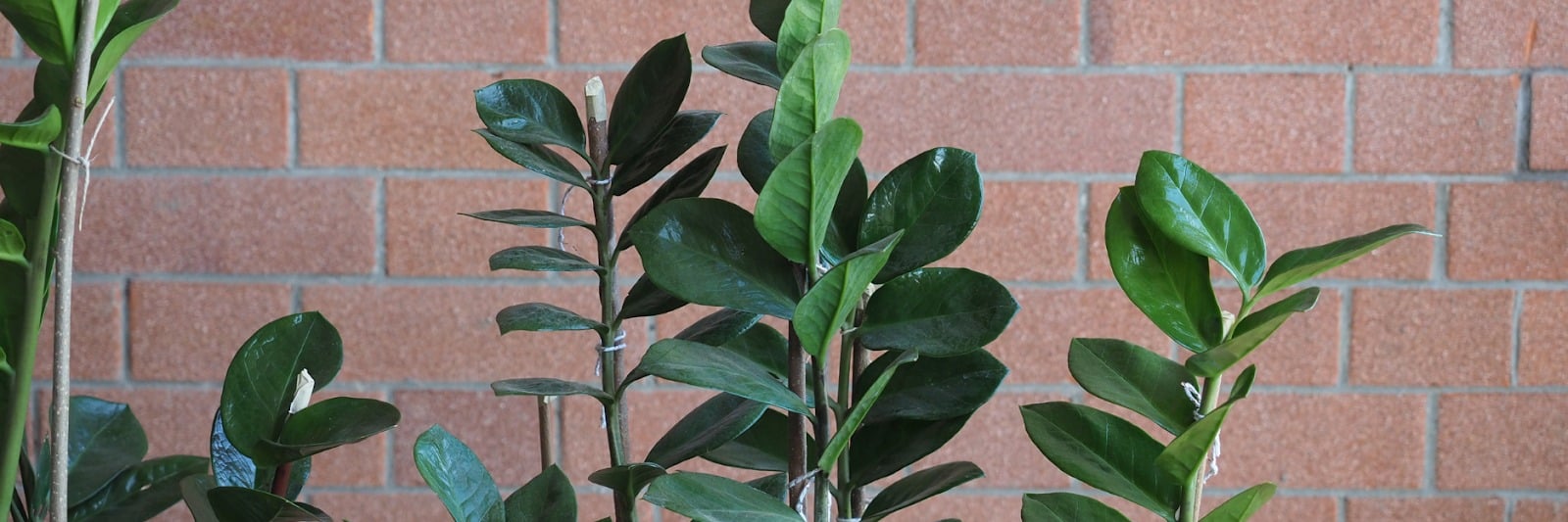
1. Coontie (zamia Integrifolia)
Coontie Is a Hardy, Evergreen Shrub that Thrives in Coastal Areas and Is Perfect for Punta Gorda’s Sandy, Well-Drained Soil. This Slow-Growing, Low-Maintenance Plant Adds a Tropical Flair to Your Landscape and Requires Minimal Care, Making It a Great Choice for Storm-Prone Areas. Its Deep Root System Helps Stabilize the Soil, Reducing Erosion During Heavy Rains or Flooding.
Pros:
-
Drought-Tolerant Once Established.
-
Resistant to Pests and Diseases.
-
Helps Reduce Soil Erosion, Especially in Areas with Frequent Rainfall or Flooding.
-
Provides Habitat for The Atala Butterfly.
Best Use: Coontie Is Ideal for Accenting Gardens, Planting Along Walkways, or As Ground Cover. Its Ability to Prevent Soil Erosion Makes It Particularly Beneficial in Flood-Prone Areas.
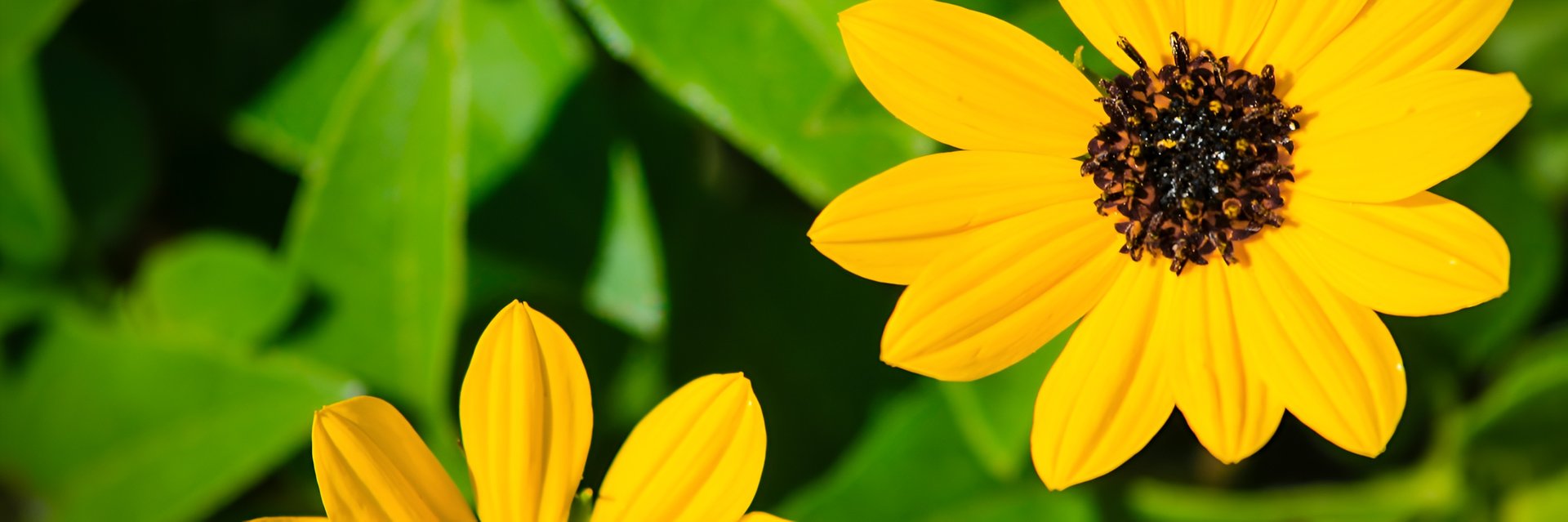
2. Beach Sunflower (helianthus Debilis)
The Beach Sunflower Is a Vibrant, Low-Growing Ground Cover that Flourishes in Coastal Regions and Is Perfect for Punta Gorda’s Environment. It Is Extremely Salt-Tolerant and Can Withstand the High Winds and Heavy Rains Associated with Hurricanes. Beach Sunflowers Also Help Reduce Erosion Along Dunes and Coastal Areas by Binding the Soil Together.
Pros:
-
Tolerant of Saltwater, Drought, and Poor Soil Conditions.
-
Grows Quickly and Spreads Easily, Making It Ideal for Erosion Control.
-
Attracts Pollinators Such as Bees, Butterflies, and Hummingbirds.
-
Blooms Year-Round, Providing Color Even During Stormy Seasons.
Best Use: beach Sunflower Works Well as A Ground Cover, Along Coastal Dunes, or In Areas that Need Erosion Control After Heavy Rains or Flooding.
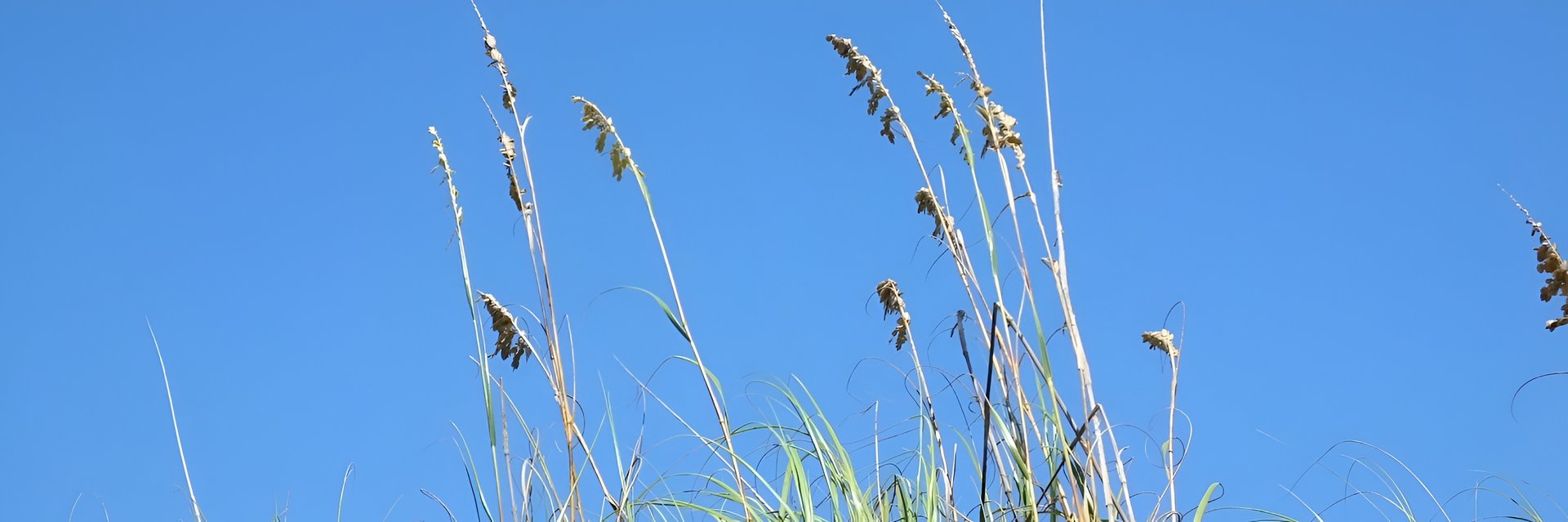
3. Sea Oats (uniola Paniculata)
Sea Oats Are a Staple in Coastal Landscaping. Known for Their Tall, Graceful Seed Heads that Sway in The Wind, These Grasses Are Invaluable for Their Role in Stabilizing Sand Dunes and Preventing Erosion, Which Is Especially Important in Hurricane-Prone Areas. Their Root Systems Help Anchor the Soil in Place, Mitigating the Impact of Rising Tides and Storm Surges.
Pros:
-
Excellent at Stabilizing Sandy Soils and Preventing Erosion.
-
Tolerates Saltwater and High Winds.
-
Beautiful, Tall Grasses that Provide Texture and Movement in Your Landscape.
Best Use: Sea Oats Are Ideal for Planting Along the Coastline, in Sandy Areas, or As Part of A Natural Barrier to Protect Against Storm Surges and Coastal Flooding.
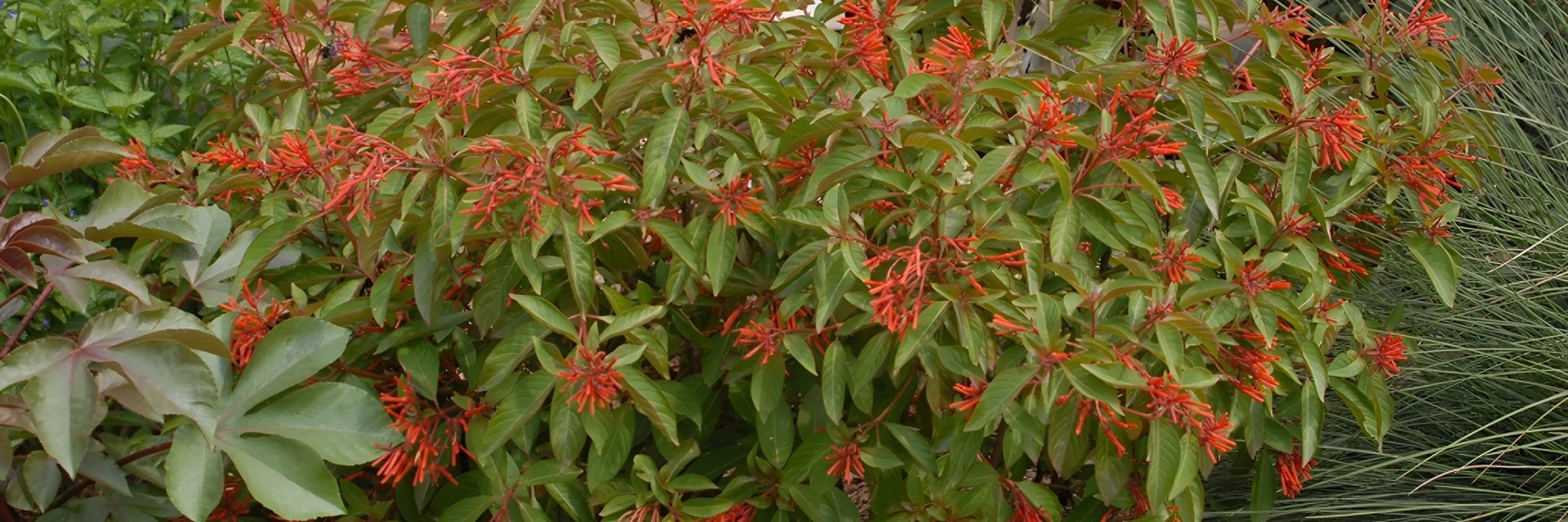
4. Firebush (hamelia Patens)
Firebush Is a Native Shrub that Blooms Year-Round with Striking Red, Orange, and Yellow Flowers, Making It a Vibrant Addition to Your Garden. This Hardy Plant Can Handle the Salt Exposure Common in Coastal Environments and Provides a Great Buffer During Storms, as It Can Act as A Natural Windbreak. Its Dense Growth Also Helps Reduce Soil Erosion Around Your Home.
Pros:
-
Attracts Birds, Butterflies, and Hummingbirds.
-
Drought-Tolerant and Salt-Tolerant Once Established.
-
Can Be Grown as A Shrub or Small Tree.
-
Provides Wind Protection During Storms.
Best Use: Firebush Works Well as A Hedge, Windbreak, or Border Plant. It’s a Great Option for Homes Near the Water Where Storm Winds Can Be an Issue.
5. Lantana (lantana Camara)
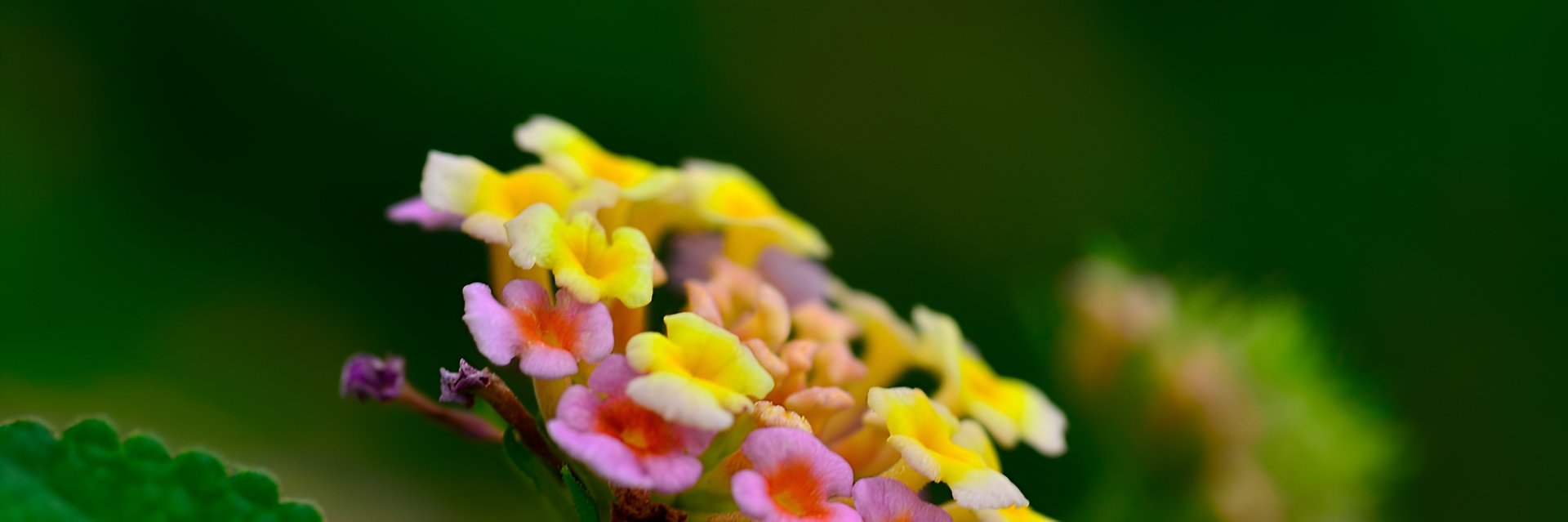
Lantana Is a Fast-Growing, Flowering Shrub That’s Perfect for Adding Color to Your Coastal Garden. Known for Its Ability to Tolerate Saltwater and Withstand Drought, This Plant Is Also Highly Adaptable to Varying Soil Conditions. Its Dense Growth Helps Stabilize the Soil, Preventing Erosion During Heavy Rains, While Its Low-Growing Nature Makes It an Ideal Option for Ground Cover.
Pros:
-
Heat, Drought, and Salt-Tolerant.
-
Attracts Butterflies and Pollinators.
-
Quick to Establish and Spread, Helping with Erosion Control.
-
Can Act as A Natural Barrier Against Wind and Water.
Best Use: lantanas Work Well as A Border Plant, Ground Cover, or In Garden Beds. They Can Also Be Used in Containers or Hanging Baskets to Add Pops of Color.
6. Pigeon Plum (coccoloba Diversifolia)
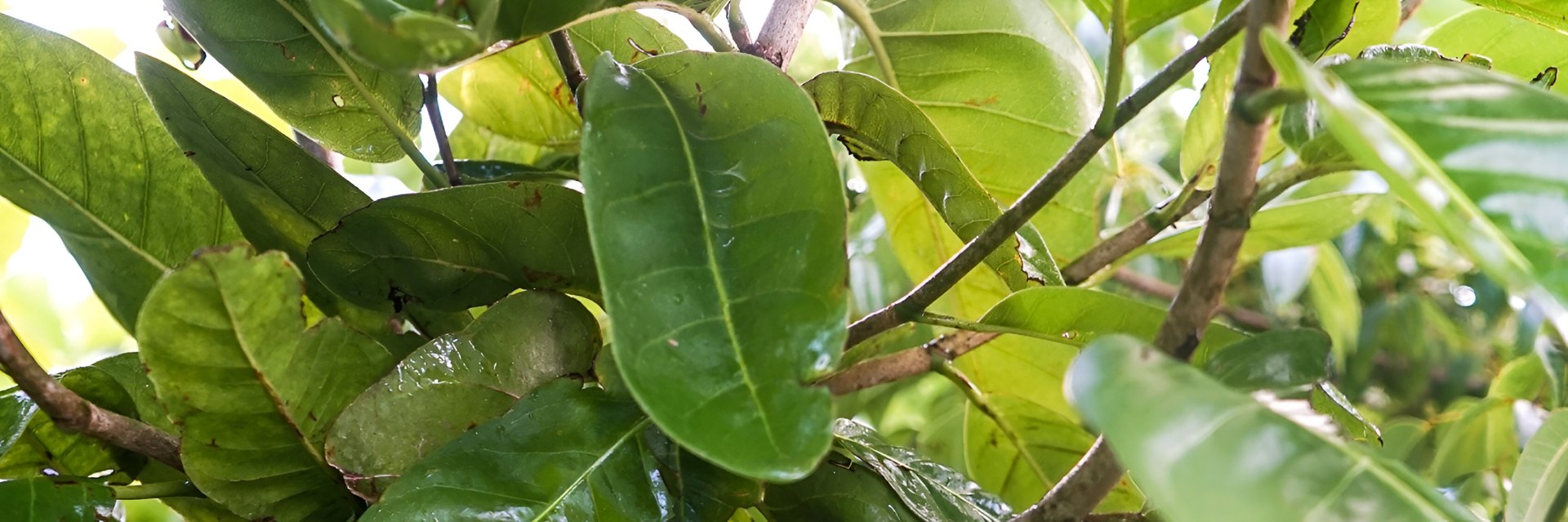
The Pigeon Plum Is a Native Tree That’s Ideal for Coastal Landscaping. with Its Lush Green Canopy, It Provides Excellent Shade and A Rich Habitat for Local Wildlife. Its Dense Root System Helps Stabilize the Soil, Preventing Erosion During Heavy Rain or Flooding. This Tree Is Also Salt-Tolerant, Making It Perfect for Coastal Areas Exposed to The Elements.
Pros:
-
Drought and Salt-Tolerant.
-
Provides Food and Shelter for Birds and Wildlife.
-
Dense Canopy Offers Shade and Wind Protection During Storms.
-
Helps with Soil Stabilization and Erosion Control.
Best Use: Pigeon Plum Is a Great Option for A Shade Tree in Larger Yards or As a Backdrop in Gardens Where Wind Protection and Erosion Control Are Priorities.
7. Coral Honeysuckle (lonicera Sempervirens)
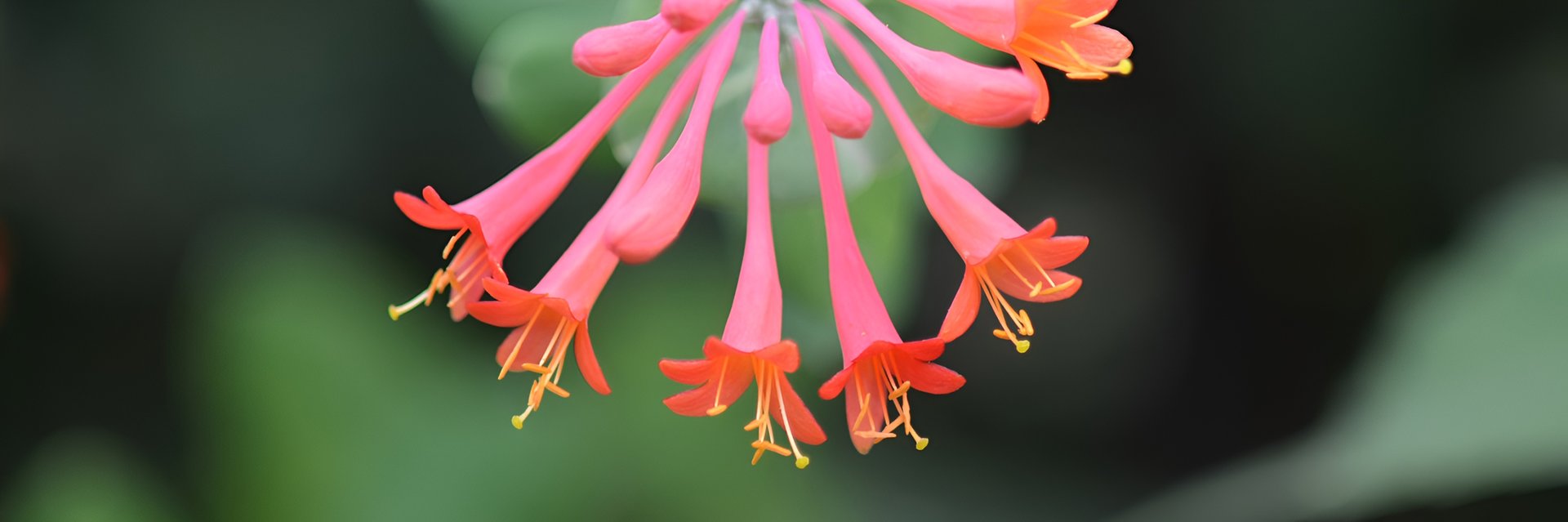
The Coral Honeysuckle Is a Native Vine that Produces Striking, Trumpet-Shaped Flowers. Not only Does It Add Color to Your Landscape, but It Also Attracts Hummingbirds and Butterflies. This Plant Is Hardy and Able to Withstand High Winds and Salt Exposure, Making It Perfect for Hurricane-Prone Areas. Coral Honeysuckle Can Be Used to Cover Fences or Trellises, Creating a Natural Barrier Against Winds and Rain.
Pros:
-
Attracts Pollinators, Especially Hummingbirds.
-
Tolerates Coastal Conditions, Including Salt and Drought.
-
Covers Structures Quickly, Creating Windbreaks.
-
Provides Additional Privacy During Storm Events.
Best Use: coral Honeysuckle Is Perfect for Trellises, Fences, or As a Natural Screen to Reduce Wind Impact.
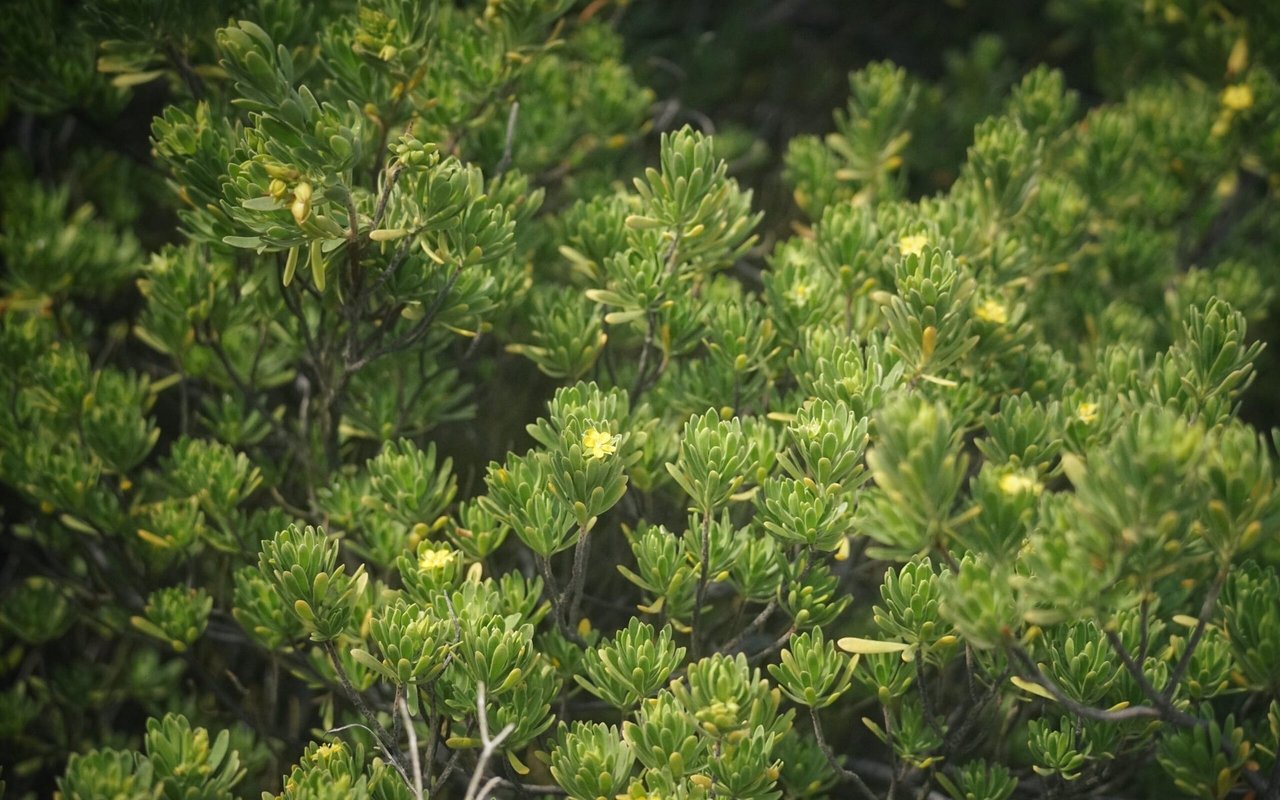
8. Bay Cedar (suriana Maritima)
Bay Cedar Is a Hardy, Low-Growing Shrub That’s Ideal for Coastal Gardens in Punta Gorda. It’s Highly Salt- and Wind-Tolerant, Making It a Strong Choice for Homes Along the Waterfront. Its Dense Foliage Can Act as A Natural Privacy Screen, While Its Deep Roots Help Stabilize the Soil, Preventing Erosion During Heavy Rain and Flooding.
Pros:
-
Salt, Drought, and Wind-Resistant.
-
Dense Foliage Provides Privacy and Wind Protection.
-
Helps Prevent Soil Erosion During Heavy Rainfall.
Best Use: Bay Cedar Is Great for Hedges, Privacy Screens, or As a Ground Cover that Stabilizes the Soil.
9. Yaupon Holly (ilex Vomitoria)
The Yaupon Holly Is a Native Evergreen Shrub or Small Tree Known for Its Dense Foliage and Striking Red Berries. It’s Well-Suited for Coastal Areas and Can Provide Privacy and Shelter During Storms. Its Roots Help Anchor the Soil, Reducing Erosion, While Its Hardy Nature Ensures that It Can Withstand the Extreme Conditions of Coastal Florida.
Pros:
-
Tolerates Salt, Drought, and Wind.
-
Attracts Birds and Wildlife.
-
Can Be Shaped for A Formal or Natural Look.
-
Provides a Windbreak During Storms.
Best Use: Yaupon Holly Is Ideal for Hedges, Borders, or Foundation Plantings, Where Wind and Water Protection Is Necessary.
Conclusion: Native Landscaping for Hurricane and Flood Resilience
Landscaping with Native Plants in Punta Gorda Not only Enhances the Beauty of Your Coastal Home, but It Can Also Play a Crucial Role in Protecting Your Property from The Effects of Hurricanes and Floods. Native Plants Are Naturally Adapted to The Region’s Coastal Conditions, Making Them Resilient to Salt, Wind, and Heavy Rainfall. Additionally, Their Deep Root Systems Help with Soil Stabilization and Erosion Control, While Certain Species Can Provide Natural Windbreaks and Flood Barriers.
By choosing the right native plants for your landscape, you can create a more sustainable, beautiful, and storm-resilient environment that supports local wildlife and enhances the natural beauty of your Punta Gorda property. Whether you're looking to reduce erosion, attract pollinators, or simply add color to your coastal garden, these native plants will thrive and help protect your home during hurricane season and beyond.